


Watch Movies Online the Smart Way: A Practical Guide to Better, Safer Streaming
You finally sit down on a Friday night, pick a movie, and hit play. Then the spinning circle shows up. Or the subtitles drift out of sync. Or a pop-up takes over the screen before the opening credits even finish loading.
Watching a movie online should be the easy part of your evening, not the obstacle. This guide covers the stuff that actually moves the needle: picking the right service, getting your connection and devices sorted, fixing the playback problems that keep coming back, and steering clear of the sites that cause more trouble than they’re worth.
Start with what you actually watch
Before paying for anything, ดูหนังออนไลน์ it’s worth spending two minutes thinking honestly about your viewing habits — it saves money down the line.
Are you mostly watching Hollywood releases? Korean dramas? Thai films? Anime? Family movies with the kids in the room? Every streaming service has its own strength, and none of them carry everything.
A simple test helps here: write down five movies or shows you actually want to watch in the next month, then look them up on JustWatch, which shows which service in your country has each one. Whichever service covers most of that list is usually your right first pick — not necessarily the one everyone else subscribes to.
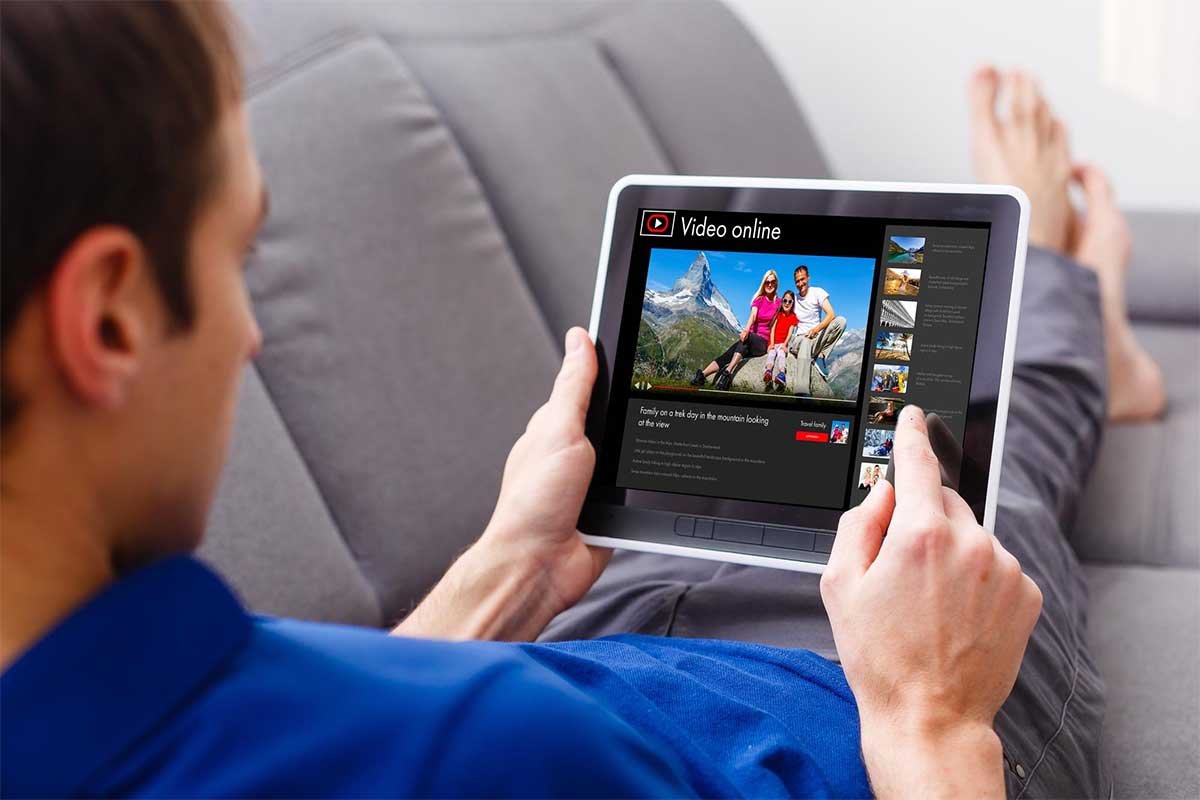
Choosing a service on more than just price
Once you’ve got a shortlist, it’s worth comparing a few practical things beyond the monthly fee.
Check the subtitle and audio options first — in Thailand, most major platforms include Thai subtitles, though coverage still varies title to title, so it’s not a given. Look at how many screens a plan actually allows too; a basic single-stream plan can cause real arguments by the weekend if more than one person in the house wants to watch something different.
Video quality is worth checking as well — cheaper plans often cap out at standard definition or 720p, and on a decent-sized TV, the gap between that and full HD or 4K is obvious the moment you notice it. And if you travel or commute a lot, the download feature matters more than people expect — being able to save a movie to your phone or tablet ahead of a flight or a weak-signal train ride is genuinely useful.
Getting your connection actually ready
Most buffering complaints come down to the connection, not the service itself.
Netflix, for example, recommends around 5 Mbps for full HD and roughly 15 Mbps for 4K — other services list similar numbers on their help pages. Those figures are per screen, though, so a household streaming across three devices at once needs a fair bit more than that. Fast.com (or any similar speed test) will tell you your current speed in seconds — worth running it at the time of day you actually watch, since evening speeds tend to dip when everyone else in the neighborhood is online too.
A handful of small changes usually help more than upgrading your plan would: moving the router to a more open, central spot away from walls and appliances, running an Ethernet cable to your TV or streaming box if it’s close enough, pausing any big downloads or game updates while you watch, and giving the router an occasional restart, especially if it’s been running nonstop for weeks. And on mobile data specifically, it’s worth being careful — an hour of HD video can burn through a few gigabytes fast, so using the app’s data-saver setting or just downloading over Wi-Fi before you head out avoids the problem entirely.
Picking the right device for the room
The screen shapes the experience almost as much as the service does. Smart TVs are the simplest route since most come with the major apps built in already, though older models can stop getting app updates after a while. A streaming stick or box — Google TV, Apple TV, Fire TV, that kind of thing — can genuinely extend the life of an older television, and they tend to keep receiving updates longer than the TV itself would.
Laptops and tablets work fine for solo viewing, just keep the browser updated, since an outdated one can struggle to play HD or protected content. Phones are fine in a pinch for short sessions or downloaded content, though a movie with a lot of dark scenes is rough to watch on a small screen in daylight.
Fixing the problems that keep coming back
Even with a solid setup, things go wrong sometimes — most of it’s fixable in under a minute. Blurry video usually traces back to a plan’s quality cap or the app’s own playback settings, since a lot of apps quietly lower quality when your connection dips.
Subtitles drifting out of sync often resolves just by closing and reopening the video, and if that doesn’t work, switching devices usually does — reporting it through the app helps the service fix it for everyone else too. And if the app won’t load at all, signing out and back in, clearing its cache, or just reinstalling it covers most cases; checking the service’s status page or social media will tell you fairly quickly whether the problem’s actually on their end.
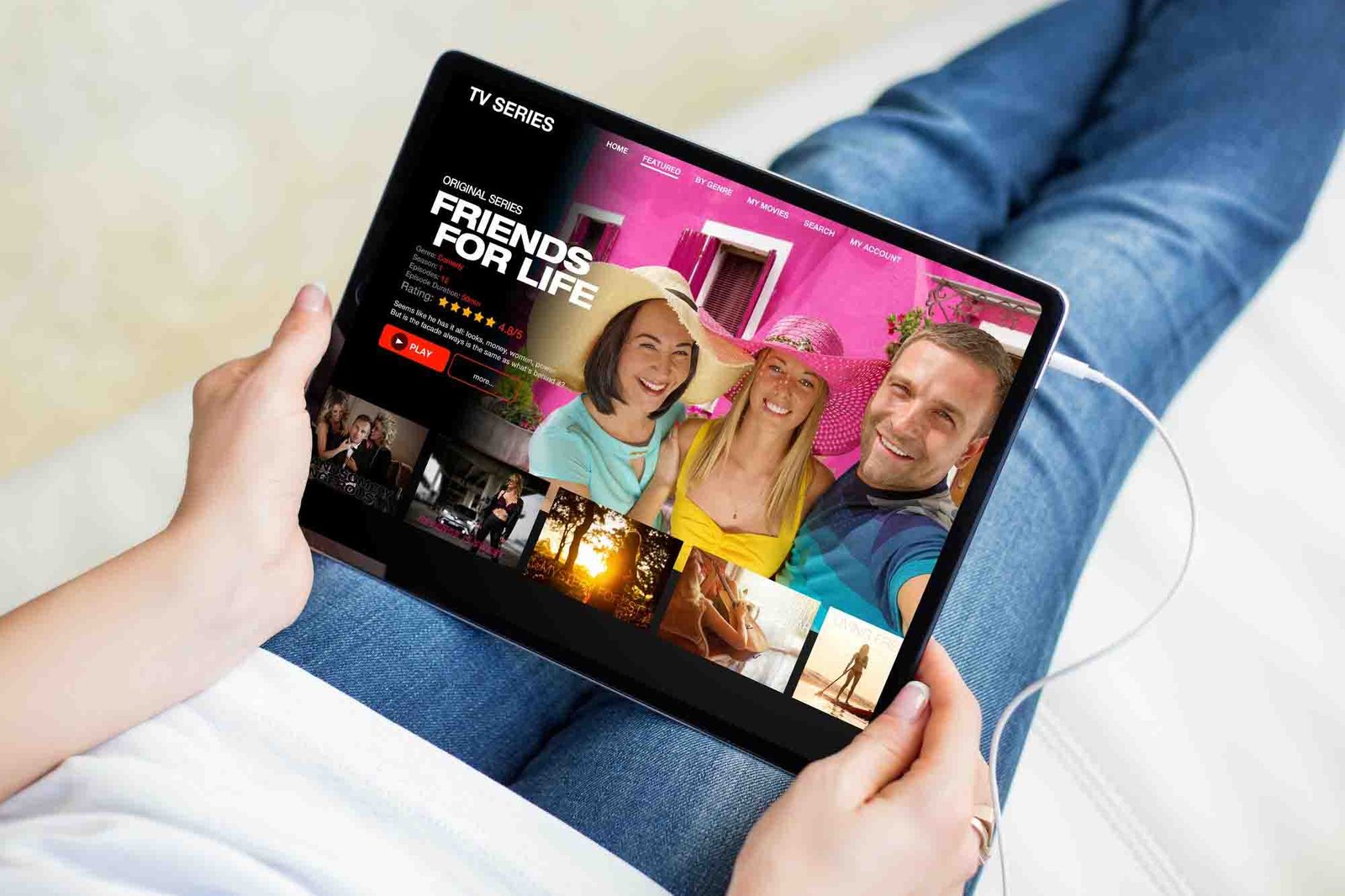
Spotting an unsafe movie site
Search “watch movies online free” and you’ll get a wall of results for sites that have no license to show what they’re listing. A lot of them look convincing at a glance, so it helps to know what to watch for.
If a site’s offering a film that’s still playing in theaters, that’s an immediate red flag. So is a page with several “Play” buttons, most of which just open new tabs, or one that asks you to install some “player,” extension, or app before it’ll let you watch anything. A web address that keeps changing or uses odd spelling variations is another sign, and if a “free” account ever asks for card details, that’s not free.
These sites tend to make their money through ads that lead somewhere unpleasant — malware, phishing pages, fake subscription traps — the video quality is usually rough anyway, and none of it goes to the people who actually made the film. If you’re ever unsure about a site, Google’s Safe Browsing tool will tell you whether it’s been flagged for harmful content.
Saving money without cutting corners
Legal streaming can still work on a tight budget. Rotating services instead of stacking them helps — subscribe for a month, catch up on what you actually wanted to see, then cancel and move to the next one. It’s worth checking whether your mobile or internet provider bundles in a streaming plan, since a fair number do. And ad-supported tiers are genuinely worth considering too — some services offer a cheaper plan with ads built in, and a number of studios and distributors post free, fully licensed films right on their official YouTube channels.
Bottom line
A good movie night online really comes down to a few decisions: pick a service that actually matches what you watch, make sure your connection can keep up with it, and use a device that fits the room you’re in. And just as important — skip the sites that feel off. A licensed service gets you clean video, proper subtitles, and no surprises, which is really all you want once the lights go down.


















































































































































1 comment on “Watch Movies Online: A Practical Guide to Safe Streaming”