

What’s So Special About FSC Bamboo Toilet Paper
Individuals desire toilet tissue that provides comfort and low environmental impact. Bamboo toilet tissue fulfills both needs, providing customers with comfort while proving to have minimal detrimental effects on the environment through its quick growth cycle and certification by the Forest Stewardship Council (FSC).
In this article, you will find an overview of what we discussed, including comparisons of all of your options and factors to keep in mind when deciding which would be best for your home. No hype; just the facts straight from the manufacturer, designed to help you evaluate the different possible options for use in your home.
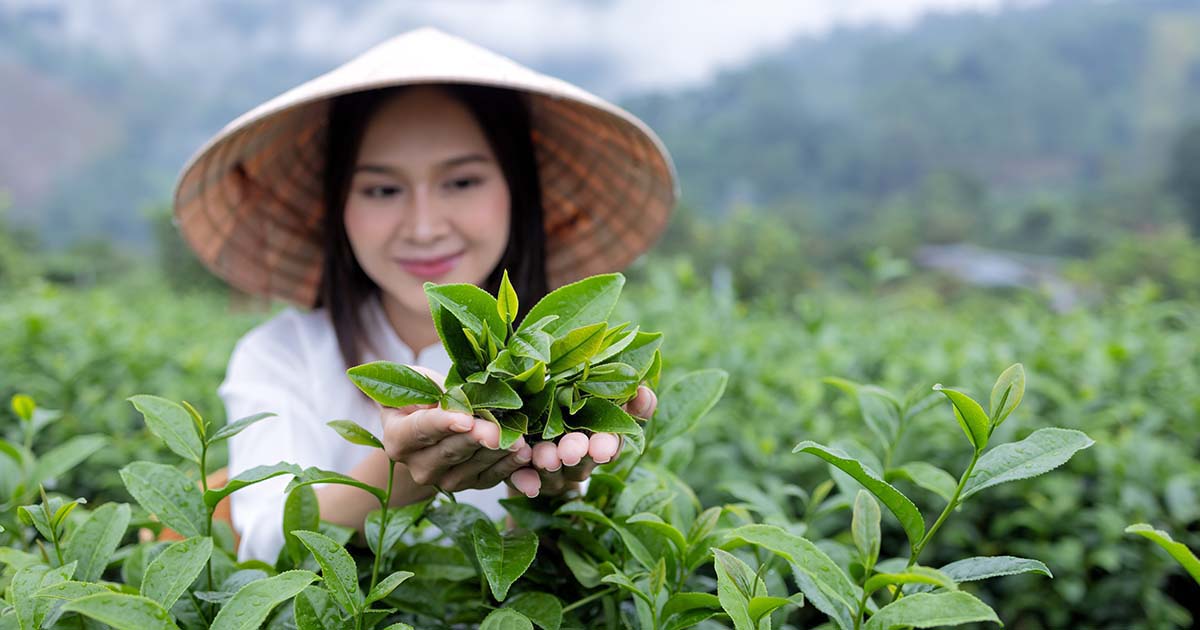
The Process of FSC bamboo toilet paper Bamboo is a very fast-growing plant and reaches It’s full height in about three to five years. When bamboo is harvested, it grows back at its original root system in a matter of months as opposed to decades, as occurs with trees. Because of the re-growth cycle and time frame, FSC Bamboo Toilet Paper has significantly less pressure placed on the forests than those who currently cut down trees for the product.
Manufacturers utilize pulping of the stalks, separating the fibers from each one during this process. Next, sheets are made by converting all the pulps into sheets, then rolled up and converted into sheeted products. The FSC bamboo toilet paper certification will provide an assurance from the forest through to end product; therefore, the full supply chain is certified as being in accordance with sustainable forestry management principles.
Whiteness or functionality?
As a rule of thumb, you shouldn’t expect the color of your tissue (or any other paper product) to define its quality. When you see white toilet paper, what you are really seeing is a product that has been bleached or processed to make it look nice and bright, but most likely was not made with any chemicals at all. In contrast, brown (unbleached) tissues generally retain their natural color and texture—very similar to that of FSC Bamboo Toilet Paper. Both will be soft, but they will feel different (in terms of texture) based upon how many plies there are, as well as the methods that the manufacturer used to make them.
Bamboo has comparatively lower water and chemical requirements than several other crops to mature. Bamboo outgrows other crops while absorbing carbon dioxide which will elevate its profile as an eco-friendly source for renewable materials. When harvested at the proper time, bamboo relieves some stress from traditional wood pulp.
One way in which manufacturers can promote their products as responsibly harvested is through the Forest Stewardship Council (FSC) certification. The FSC certification promotes responsible harvesting of bamboo while providing protection to soil, water and the local habitat. This is important because bamboo can be produced using a variety of methods, so the FSC bamboo toilet paper labeling helps to provide assurance to the buyer that the product has undergone some level of inspection through the supply chain.
Customers frequently report that bamboo toilet tissue is durable and compostable within septic systems. There are multiple options available that provide a balance between thickness and comfort while limiting the material’s usage (three-ply or above).
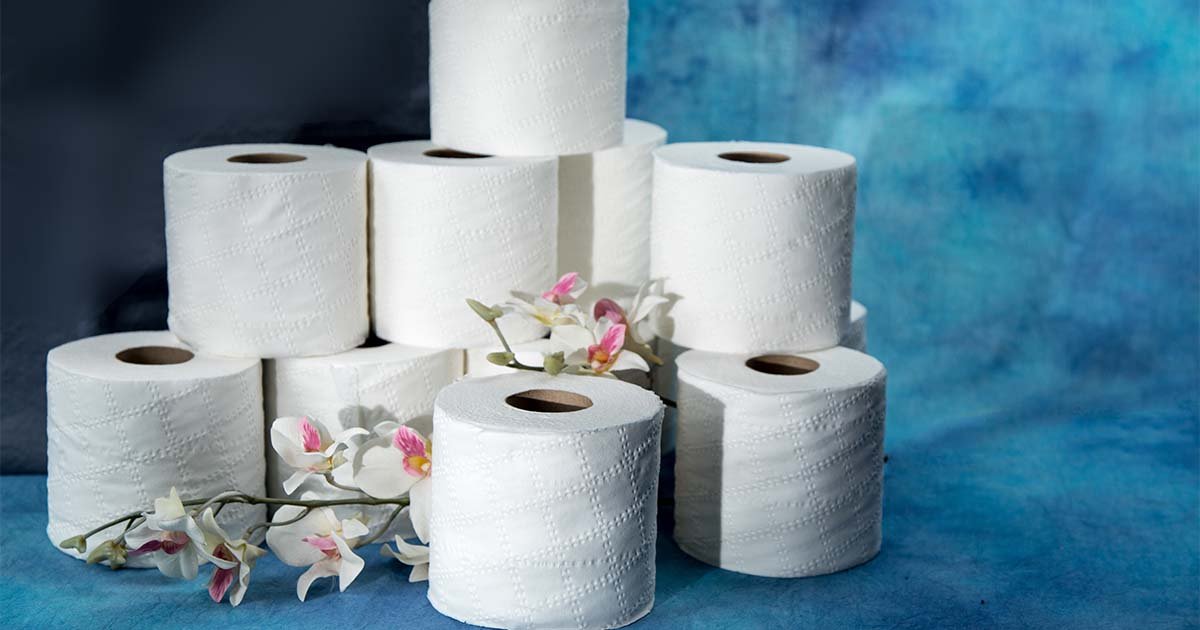
What is the Difference Between Bleached and Unbleached Toilet Papers?
Bleached or unbleached FSC bamboo toilet paper is often a matter of preference and priorities.
Color and texture: White (bleached) will be slightly fluffier than unbleached because the bleaching process breaks down some of the fibers, making them softer than unbleached. The unbleached version will generally have a color similar to that of the original fiber, and the texture will be slightly different from the bleached version.
Chemicals: Unbleached products do not go through the bleaching step, so some individuals may prefer them for this reason. Manufacturers of high-quality products that are produced responsibly utilize non-toxic processing methods, rather than the older chlorine bleaching methods.
Many families with sensitive skin will usually prefer unbleached paper products if they have any choice.
Daily use: Both types of paper towels are acceptable for most households. However, reactions will depend on individual sensitivities. There are a number of companies selling both types of towels, allowing customers to test them to find out which one works best for them.
Environmental Problems
Bamboo-based toilet tissue has a lower reliance on tree growth compared to traditional toilet tissues; although, its overall impact will depend on the region in which it is produced and how it is produced. According to a recent report, the use of coal-powered manufacturing processes where bamboo toilet tissue is produced may actually cause a greater carbon footprint than some local wood-based toilet tissue products that are produced with renewable sources of energy.
This highlights that fibre type and production processes are relevant because they have an impact on your purchasing decision; for example, although, forestry standards do provide information about how well forests are managed, buyers can also benefit from considering the overall way a supplier conducts business when buying from them.
Bamboo paper products can use less land area for a given amount of sheets than regular virgin wood toilet papers that are produced. Also, FSC bamboo toilet paper is a biodegradable product that creates less stress on plumbing and wastewater treatment systems than virgin wood toilet paper and creates greater opportunities for composting; this gives these products a competitive edge over other products made from recycled paper. Some households mix both types of products according to their respective needs and preferences.
How do I shop for bamboo toilet paper?
Look for the FSC bamboo toilet paper certification. If the paper has an FSC mark on it, it should say either 100% FSC, or FSC Mix. A paper printed 100% FSC means that the entire fiber is from an FSC-certified source, while a paper printed “FSC Mixed” is made from a combination of fiber from FSC-certified forests plus controlled fiber. Other things you may want to consider: – Number of plys (typically 2 or 3 for consistency); – septic-safe declarations;/or any other claims made about the sheet material, – if you prefer a simpler approach, choose sheets with no added fragrance or lotion; and – limited use of plastic wrap on your sheets and the box they come in.
Responsible companies offer both quality and transparency regarding their materials. Companies like Jadelight Paper are focusing on developing pulp and recycled paper products based on the original pulp and/or recycled materials, and have developed a hub of suppliers to supply them with their required product.
For many people, bamboo toilet paper is one of their smallest habits. By using higher-ply rolls, using less each time, and supporting brands that have traceable supply chains, you can contribute to the bamboo toilet paper movement significantly. A number of people have both bamboo and recycled toilet paper available for different types of uses.
If you have a septic system, select the product that is septic safe. Most good bamboo rolls do, but additives and thickness can make a difference.
Summary
Toilet paper made from FSC bamboo toilet paper offers a practical solution to households looking for alternative toilet tissue options. The strong growth rate and certification of these products address genuine concerns regarding the use of resources. Bleached and unbleached toilet paper have both advantages and disadvantages, therefore experimenting with small quantities of each type may help you find out which works better for you.
Choices in everyday products (i.e., toilet paper) can accumulate over time into larger trends. To make the best decisions for yourself regarding comfort and resource usage, consider what is actually on labels, how products are made, and whether those same products provide sufficient performance.