

Astrology Explained: An Honest Guide to How It Really Works
Long before anyone owned a watch, people told time by the sky. Farmers waited for certain stars to rise before planting. Kings kept sky-watchers close before going to war. Watching the heavens wasn’t a hobby. It was how you ran your year.
Astrology grew out of that watching. Somewhere along the way, people stopped asking only “when?” and started asking “what does this mean for me?” That question is still with us. It’s in the horoscope app on your phone, and in the friend who blames Mercury for a lost package.
So what is โหราศาสตร์, really? Where did it come from, and how seriously should you take it? Here’s a plain answer to each.
What Is Astrology?
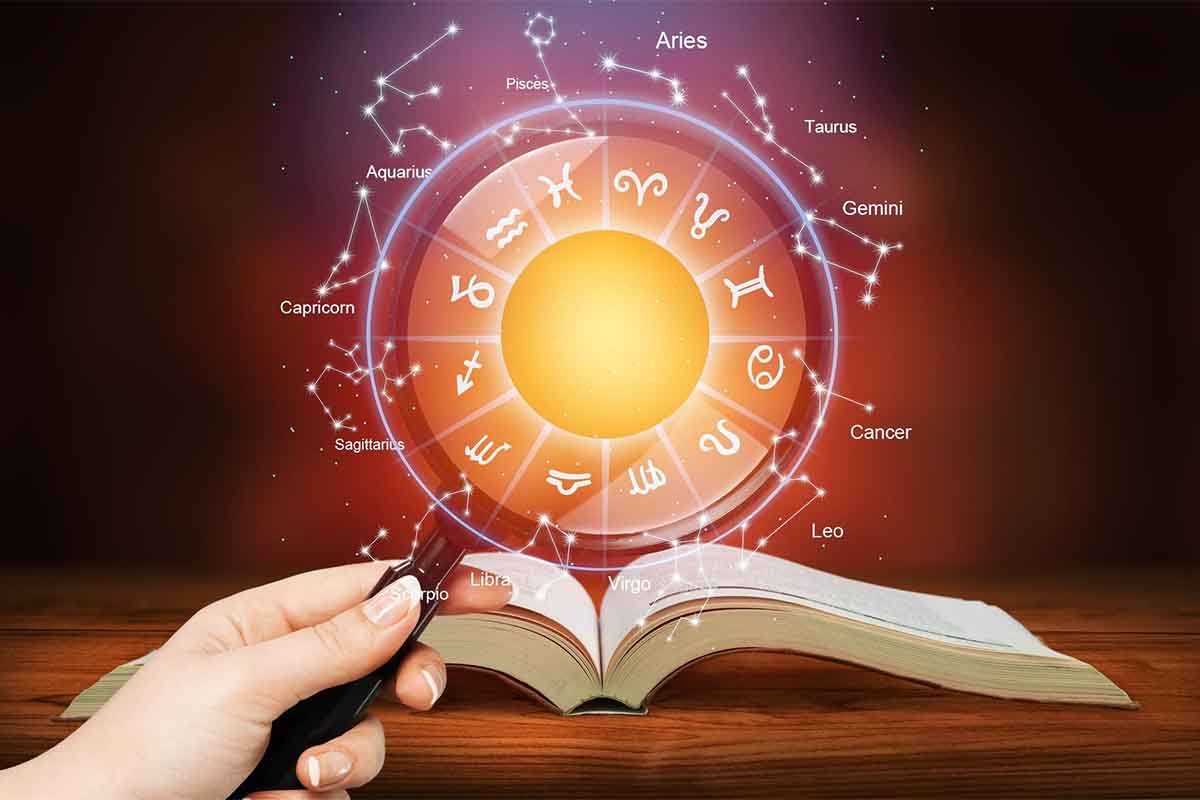
In one sentence: astrology is the belief that the positions of the Sun, Moon, and planets say something about our lives. The sky at the minute you were born, the idea goes, mirrors your temperament and the rhythm of your years.
People mix it up with astronomy all the time, and that’s understandable. The two shared a desk for most of history. Today, though, astronomy measures what’s out there. Astrology asks what it might mean down here. Same planets, very different question.
A Short History of Astrology
No single culture invented it. Several did, more or less in parallel, and then borrowed from each other freely.
Babylonian Roots
The oldest written astrology comes from Mesopotamia. Babylonian priests logged eclipses and planet movements on clay tablets, mostly as omens for the king. Reading a chart for an ordinary person came much later. By about the 5th century BCE, they’d split the sky into the twelve equal signs we still use.
The Greek and Egyptian Blend
Then came Alexander the Great. His conquests threw Babylonian sky-lore, Greek philosophy, and Egyptian timekeeping into the same cities, Alexandria most of all. Out of that mix came the personal birth chart. Around the 2nd century CE, Ptolemy wrote the Tetrabiblos, and Western astrologers leaned on it for more than a thousand years.
Indian and Thai Traditions
India built its own system, Jyotisha, as part of Vedic learning. It traveled east with trade and religion. In Thailand it merged with Buddhist and local customs and became horasat, which is still very much alive. Plenty of Thai couples check with an astrologer before setting a wedding date, and some adults change their names on an astrologer’s advice.
The Main Systems of Astrology Today
Ever been told you’re a Taurus, only to have someone else insist you’re an Aries? You weren’t imagining it. Different systems start counting from different places.
Western (Tropical) Astrology
Western astrology pins the zodiac to the seasons. Aries starts at the spring equinox every year, full stop, wherever the actual stars happen to be. Most newspaper horoscopes use this system.
Vedic and Thai (Sidereal) Astrology
Sidereal astrology pins the zodiac to the constellations instead. The catch is that Earth wobbles slowly on its axis (astronomers call it precession), so the seasons and the stars drift apart over time. The gap is now about 24 degrees. That’s why a lot of people slide back one sign in a Vedic or Thai chart.
Chinese Astrology
Chinese astrology runs on a different engine altogether: a 12-year cycle of animals paired with five elements. Here, the year you were born does most of the talking.
The Building Blocks of a Birth Chart
Open almost any Western or sidereal chart and you’ll find the same four ingredients. The planets are the actors, each with its own drive. Venus wants connection; Mars wants to act. The signs are the costumes, shaping how each planet behaves. The houses are the stage, twelve areas of life from home to career. And the aspects, the angles between planets, are the plot. They show where things cooperate and where they fight.
A good reader doesn’t pull out one piece and run with it. The skill is in seeing how they work together, the way you’d read a whole scene rather than a single line of dialogue.
What Does Science Say?
Here’s the part many astrology sites leave out. When researchers have tested astrology under controlled conditions, it hasn’t held up. The best-known test, run by physicist Shawn Carlson and published in Nature in 1985, asked astrologers to match birth charts to personality profiles. They did no better than chance.
Psychology offers one reason readings still feel so personal. It’s called the Barnum effect: we tend to accept broad, flattering lines (“you can be hard on yourself”) as if they were written just for us.
Why, then, do so many people keep reading? Mostly because they aren’t using it to predict anything. They use it to reflect. A horoscope gives you a few quiet minutes and a vocabulary for thinking about your moods, your relationships, and where things seem to be heading. For many people, that’s enough.
How to Approach Astrology Sensibly
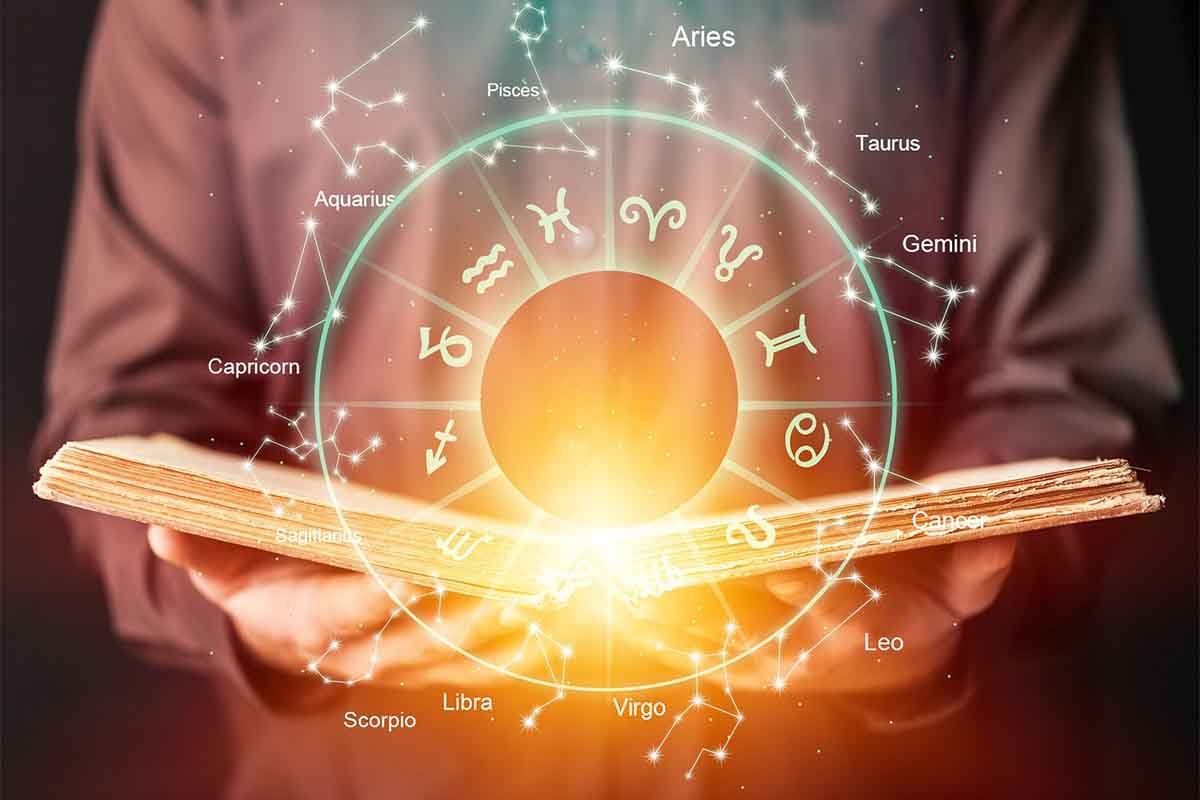
Think of a reading as a conversation starter, not a set of orders. If something in it rings true, sit with it for a while. If it doesn’t, let it go.
Be careful with anyone who uses the stars to scare you, or who suddenly needs payment to reveal the “real” warning. And keep the big stuff, like your health, legal matters, and money, with people trained to handle it.
One last test: after a reading, ask yourself whether you learned something or just felt flattered. That question sits at the heart of how DoHora approaches its readings. They’re built on realistic patterns and statistics, so the hard months get mentioned alongside the good ones. Oddly enough, a reading that admits life gets rough is easier to believe.
Astrology Alongside Other Practices
Astrology rarely travels alone. Tarot often sits beside it, used to think through one specific question. Dream interpretation is another close neighbor, handy for noticing what keeps surfacing while you sleep.
You’ll also find lottery results and lucky numbers on many horoscope sites. Enjoy them, but don’t bet the rent on them. Draws are random, and no planet has a say in the outcome.
Conclusion
Astrology is old, it comes in several flavors, and it still shapes daily life in places like Thailand. It isn’t science, and pretending otherwise does nobody any favors. Used as a mirror rather than a crystal ball, though, it can help you think more clearly about your choices.
Curious what your own chart looks like? DoHora (https://www.dohora.com/) has free readings in Western and Thai astrology, plus tarot and dream interpretation. Go in curious, keep a little healthy doubt, and let your own judgment make the final call.