
How to Generate Electricity from Air: Real Science Beyond the Myths
The thought of extracting usable power directly from thin air seems absurd. However at the same time, millions of volts of static charge and electromagnetic waves, radio frequencies.. is all around us every single second.
With utility bills skyrocketing and utilities pressured to rolling over, naturally people seek creative off the grid solutions. Getting power from the atmosphere is one of the most commonly mentioned solutions.
Air has been produced from the air or not, until today? The short answer is yes, however the magnitude and practicality force a more pragmatic examination of physics, history and our present tools.
The Core Science : The Mechanics of Atmospheric Energy
We live in an atmosphere of energy. Generate Electricity from Air is primarily of three types: static electrical charges, ions due to humidity, and ambient radio frequency (RF) signals.
Atmospheric Voltage Gradient
The Earth is negatively charged and the upper atmosphere positively charged. This sets up an electric vertical potential gradient of approximately 100 to 120 volts/meter above ground. In a thunderstorm, this voltage becomes extremely large causing the discharge of a lightning.
Hygroelectricity (Power from Humidity)
Recent research in science reveals that nano droplets of moisture are negatively charged as they float around us in Generate Electricity from Air. Nanomaterials-based devices can trap these small charges as water flows through micro-pores. It is a continuous constant low level ambient humidity harvest, a process knows as hygroelectricity.
Electromagnetic and Radio Frequencies
The air is filled with an ambient electromagnetic radiation in the form of wi-fi signals, radio broadcasts and cellular towers. These signals can be picked-up by small devices known as rectifying antennas (rectennas), which are basically diodes that convert the signal into small amounts of direct current (DC) Generate Electricity from Air.
A centered graph showing Nikola TeslaNext, with big black text in 50px that reads: “Nikola Tesla and the Origins of Wireless Power”
All discussion of power from the atmosphere goes back to Nikola Tesla. The late 1800s and early 1900s were characterized by landmark experiments conducted by Tesla to send power wirelessly via the ground and air.
Tesla constructed massive high-voltage coils to test his concepts. Tesla’s most famous experiment was in Long Island, New York called the Wardenclyffe Tower. Earth’s natural conductivity (and its very conductive upper atmospheric layer — the ionosphere) is what Tesla thought would be ideal for transmitting electrical signals and energy around our globe.
His investigation of Tesla Radiant Energy had to do with extracting ultra-high-frequency electrical oscillations from things like cosmic rays, static Generate Electricity from Air, and the electromagnetic field.
Tesla proved the physical reality of wireless power transmission over short distances, but funding ran out before he could demonstrate its commercial viability for large grid systems. His key ideas about very small wireless energy transfer are still being developed by modern scientists.
For a more in-depth review of Tesla’s patents and early power apparatus, please read technical summaries on this matter in Simple Haven Projects.
Design of Modern Devices in which Atmospheric Electricity Generator Use to Function
Gone are those days however, these days engineers do not depend on large wooden towers. Instead, they deploy miniature circuits and special materials to transform airborne charge into current that can be stored.
Collector Antennas and Aerial Wires
A typical electricity collector of the air begins with a very long wire, suspended high above the surface of the earth. The greater the climb up the wire, the greater a voltage potential it intercepts from the ambient atmospheric gradient.
Grounding Connections
One of the important element needed to run any ambient energy system is a good solid earth ground. Electric current can only flow through a complete circuit. Latest moves from the high-voltage environment via the gathering wire, goes through a load or capacity device and completes in the dirt.
Rectification Circuits
Atmospheric charges and ambient radio waves oscillate, or are AC, therefore they are unstable. Those raw signals are then rectified, to yield steady direct current (DC) for charge batteries or supply small low-voltage sensors.
Will It Work Instead of Another Energy Source to Generate Home Usage?
Many homeowners wondering what alternative energy sources can be used at home will ask, Can an atmospheric setup replace rooftop solar panels or home battery banks?
Power Output Limits
Power density is the real estate of a physical reality. Although there is high voltage in the air, the current (amperage) is typically micro-amps.
Solar panels: Produce of hundreds of watts per square meter in sunlight.
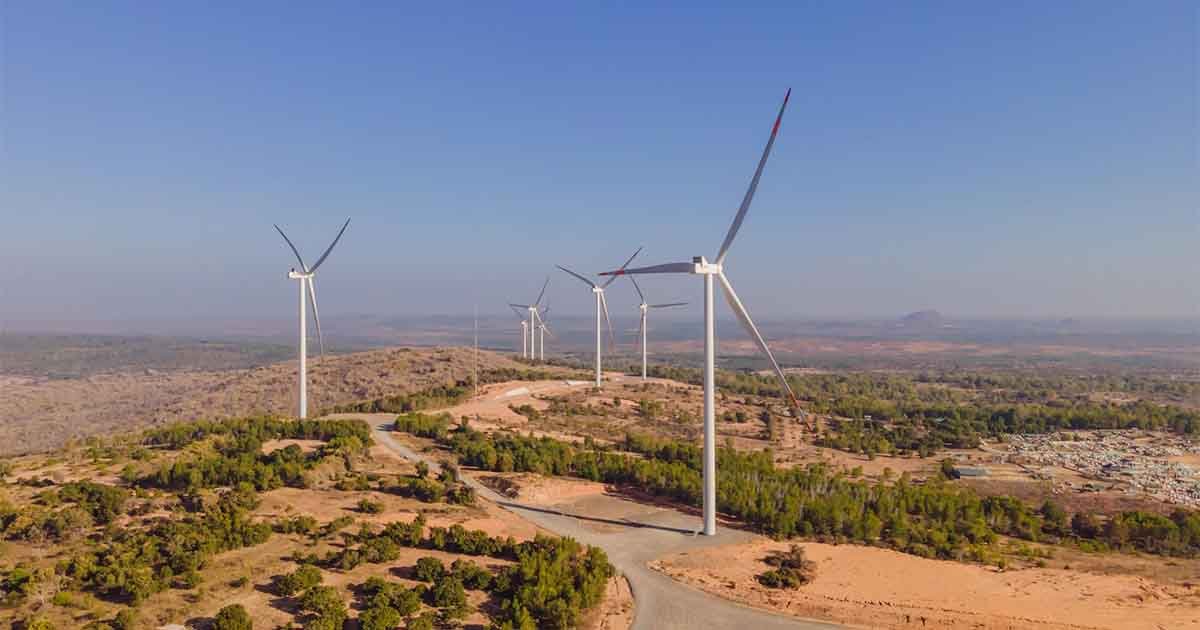
Wind turbines: Generates kilowatt scale power in breeze winds.
Atmospherics Collectors – standard energies are in the range of microwatt to milliwatt.
Current Practical Applications
Currently, atmospheric energy cannot take on higher-draw home appliances such as air conditioning system units, fridges or ovens ranges.
That said, ambient power harvesting is great for:
This also includes low-power IoT sensors which monitor for instance soil or temperature
Small LED emergency indicator lights.
Trickle-charging ultra-low-power electronics.
Remote area backup environmental monitoring set.
Challenges Facing Large-Scale Adoption
4- Why are not using atmospheric collectors on every power company? There are three main barriers to the technology.
Weather Dependency
Humidity, Generate Electricity from Air pressure and charge continually change. Low humidity means less power you can generate with the hygroelectric effect, and if wind happens to blow as well than apparently the static build-up is too low.
Safety Concerns
When you are dealing with high atmospheric voltages there is a inherent danger. High altitude collectors or tethered balloons act as a lightning magnet, which can fry electrical equipment or start fires without being heavily industrial surge suppressed.
Scale and Cost
Collecting small amounts of current by building tall towers or very large surface arrays is many times more expensive per watt than installing the usual solar panels or a few small wind turbines.
Wireless Power 2: The Future of Wireless Energy & Atmospheric Harvesting
Material science research creates more atmospheric energy efficiency. Now, micro-engineered surfaces with nano-sized pores that have served us well over the years are beginning to compete with their predecessor devices in their ability to harvest charge from the Generate Electricity from Air around them at any time of day or night—even indoors.
Meanwhile, companies that develop wireless power technology progress with focused transmission of energy by micro-waves or lasers over a short distance. You are drawing power from December 2023 in which these setups help the impression of charging tiny devices that don kneed many wires.
Hopefully this Generate Electricity from Air will never overcome main electric utilities, but it has an important role in our ultra-low-power electronics, off-grid sensors and hybrid emergency power equipment.
With Energy Independence Explained, it is now a realisable options
For stable off-grid setup or emergency backup power, the combination of methods you are familiar with remains to be your safest option:
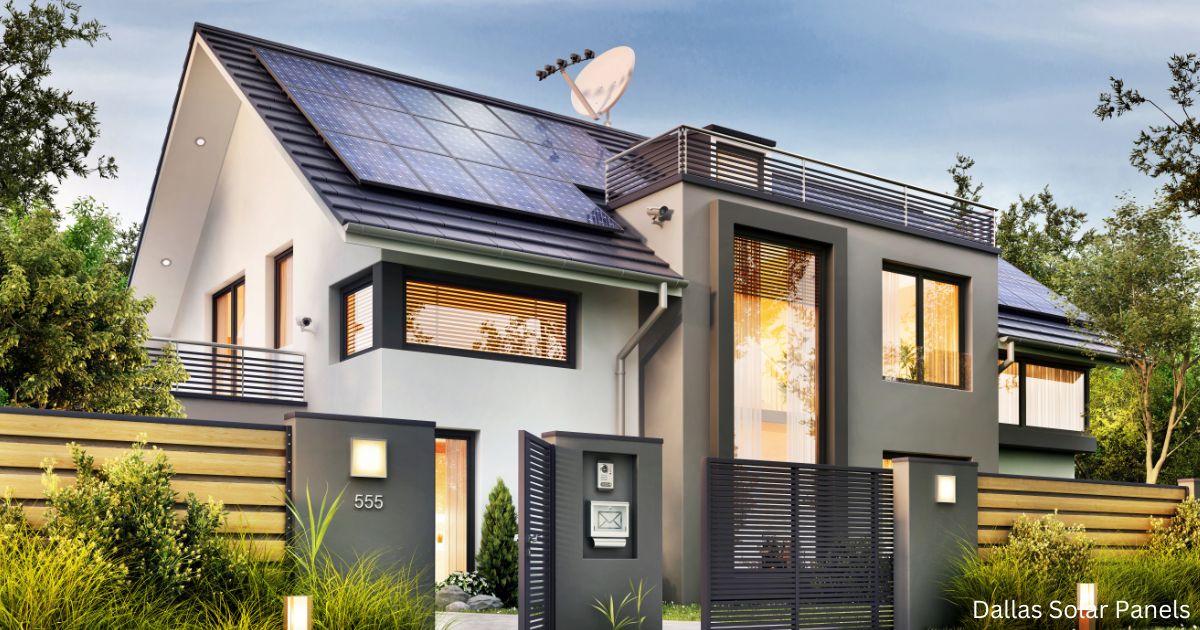
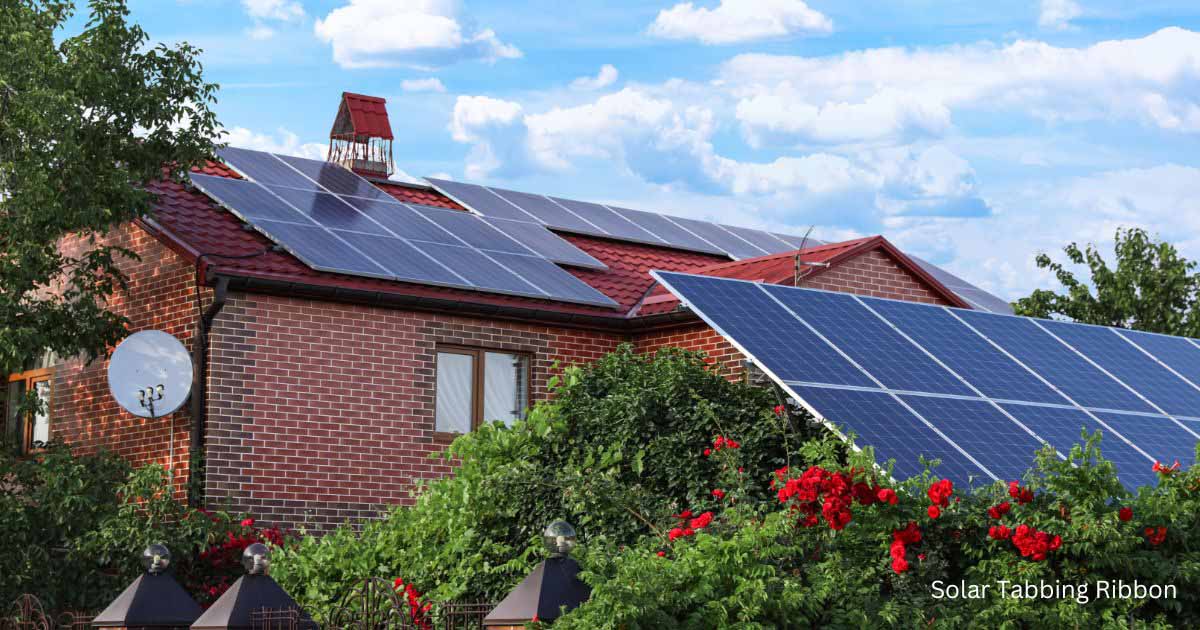
Rooftop Solar Systems: The best of rooftop solar systems to capture natural energy right at home!
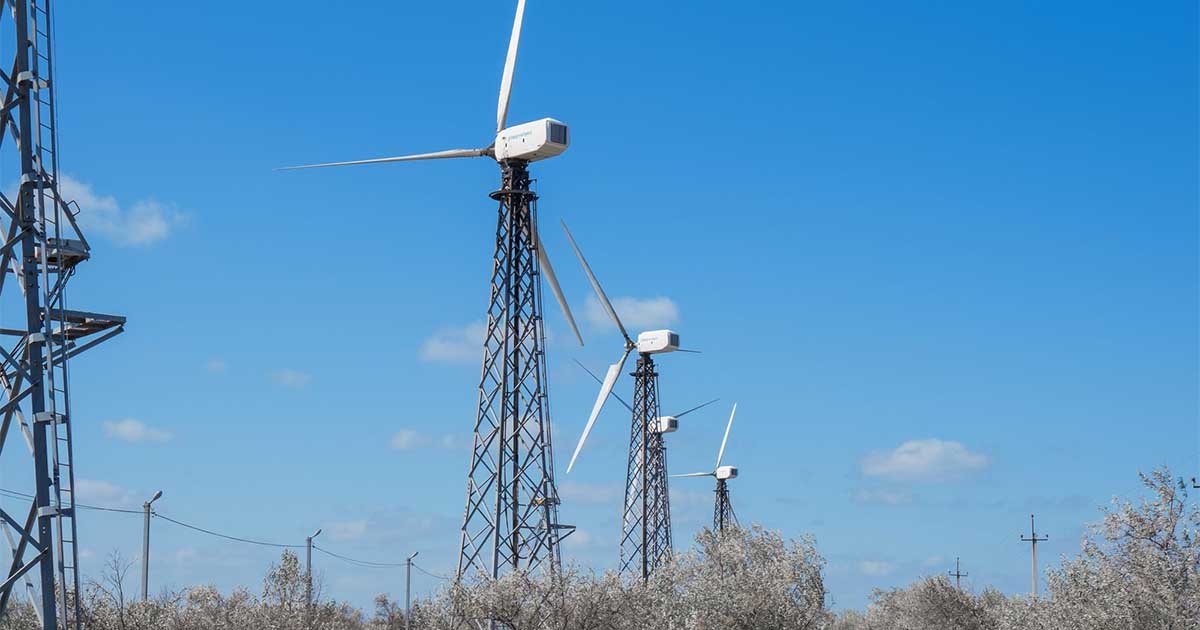
Small Wind Turbines: These are great for windy areas and also charge batteries at night.
Battery storage: Standby power when sun and wind fade.
Low-Voltage Projects: Good for hobbyists interested in low-voltage electronics, ambient signal harvesting or building circuits inspired by Tesla for educational purposes.
Knowing how much energy atmospheric power delivers, we can have a grasp of what the real energy options are. Though thin air contains vast stores of total energy, the safe and economical capture of such energy is an exciting area still in scientific development.