
Real Experiences Using a Spider Man Lift in Tree Care
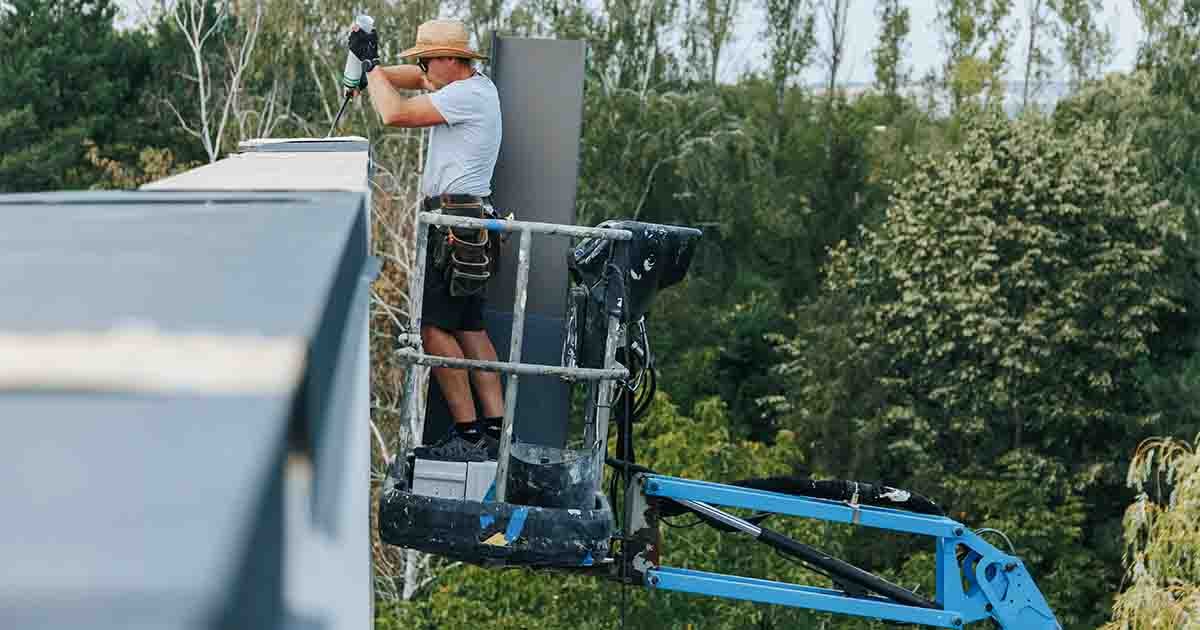
Aerial work platforms designed specifically for accessing high elevation areas in confined/uneven environments are called spiderman lifts because of the four stabilizer outriggers that radiate outward much like a spider’s legs. These are generally referred to as platform Spider Man Lift or tracked spider lifts. Either of the two would do. They are able to provide stability in areas that larger machines have difficulty navigating.
These machines have booms, tracks, and self-leveling outriggers that allow movement over rough terrain, slopes, or narrow passageways. It stabilizes large loads on uneven terrain, as opposed to standard booms with wheels. For instance, the GCA66 will reach 66 ft. high above the ground with an approximate horizontal extension of 27ft 7inches, having it further reinforced by a maximum platform capacity of 507 lbs. Such lifts are used by tree care professionals, building maintenance workers, and general facilities operation workers every day.
Some of the smaller varieties of spider man lifts can be maneuvered through standard doorway openings. Others can be set up in as little as a minute and on just about any surface type—grass, gravel, or indoor floors.
Operation of a tracked spider man lift starts with the setting up of rubber or non-marking tracks that spread the weight of the machine evenly and reduce any potential damage to different surfaces. The machine is driven by the operator to the desired location and the outriggers are deployed. Sensors are placed all over the outriggers to make sure there is enough contact with the ground before extending the boom.
There are many versions of spider man lifts available in the market today; some also come with dual-power options that can run on diesel engines for off-site applications and switch to electric motors for in-door applications. The GCA66 comes with wireless-proportional controls and allows 360 degrees rotation together with a rotating platform that can rotate up to 180 degrees to facilitate proper positioning.
Automatic leveling systems make the initial setup process much easier. Most spider man lifts come with real-time load moment limiting, which checks and halts risky lifting conditions. Emergency stops and hand-pumps add another layer of protection in case electrical power is lost.
Advantages Over Traditional Equipment
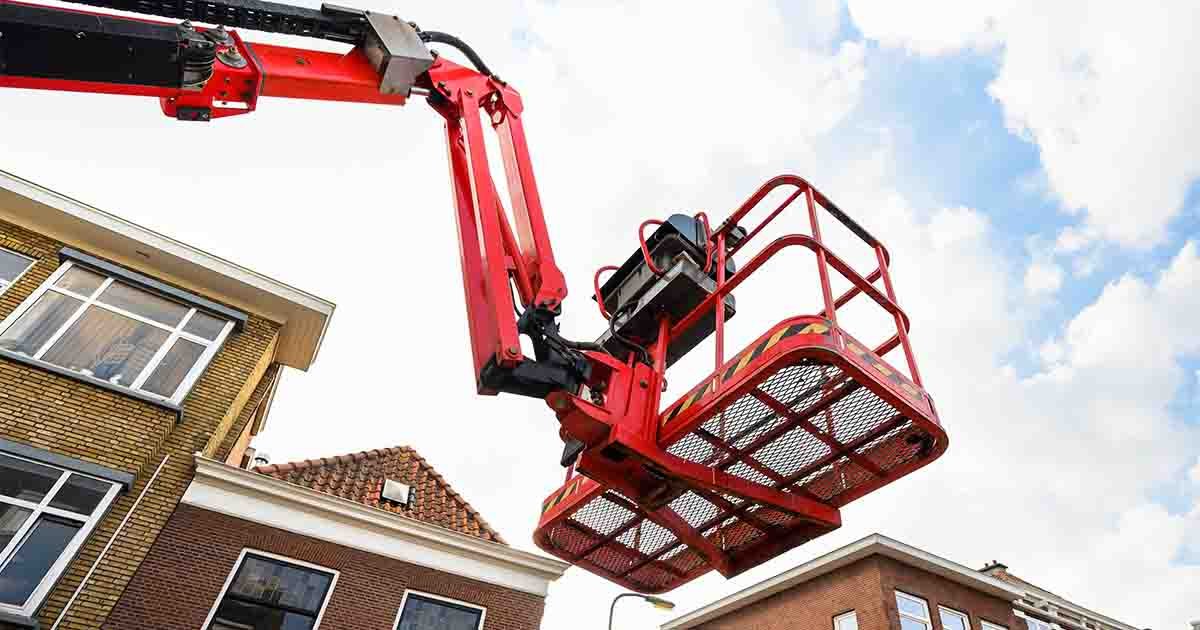
Traditional equipment simply can’t match what spider man lifts offer in terms of access in tight spots. Spider man lifts can move through lawns/atriums/construction sites where larger equipment can’t enter because they have narrow bodies and lower ground pressures. While wheeled equipment can’t go on slopes, spider man lifts can because their outriggers work independently and keep the lift level no matter the terrain. Tree pruning tends to be one application where crews need safe access to branches without compacting surrounding soils or damaging root systems.
They can work on rough terrain and have quicker setup times as opposed to scaffold- requiring traditional equipment. This keeps workers safer with solid footings and controls that respond smoothly. Their compact sizes also make them much easier to transport; many spider man lifts can even be towed behind a vehicle.
In indoor use of Spider lifts for painting structures at height or even maintenance work at stadiums, the users like electric power and non marking tracks to keep the mess out, while teams working outside will like the wind resistance rating (up to 25mph on some models) and all-terrain capabilities.
Applications in the Industry
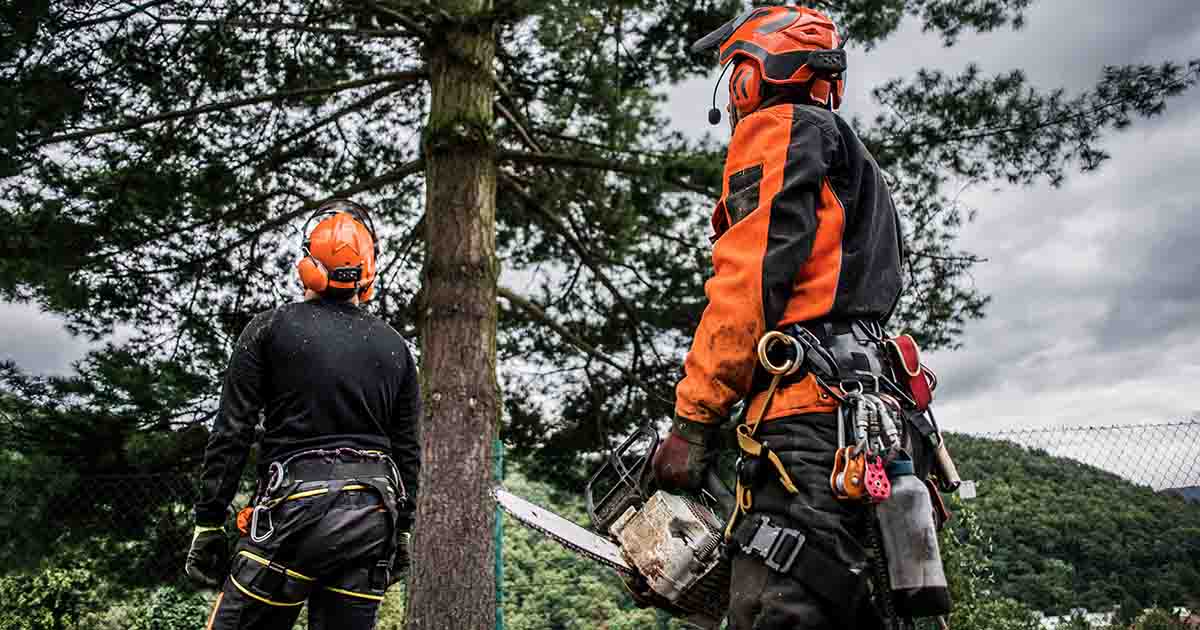
Arborists use tracked spider lifts for safe and efficient pruning in the canopy, while facility managers use them to gain access for the maintenance of interior/exterior lighting, window cleaning, or HVAC service at commercial properties. They are most beneficial in urban areas or historic districts where the use of large cranes may disrupt the area.
Construction workers can use them for the installation of signage, inspection of a bridge, or maintenance of a substation. Utility companies use them to access utility poles and communication towers in mountainous or remote areas that are difficult to reach. They are also used by film and event production companies due to their silent operation and control precision in setting lights and cameras.
Historic restoration companies use them for interior work in old buildings where floor loads are critical. The GCA66 crawler boom lift has been very successful in substation maintenance and tree trimming due to its compact footprint (approximately 18ft 9inches when stored) enabling it to be taken through gates and tight pathways.
Safety Features That Are Important
This is done by making sure that the outrigger sensors used by the equipment do not allow it to start working until the equipment is placed perfectly level/stable. Systems for monitoring loads will stop movement automatically when the basket is overloaded/extended beyond rated limits. Emergency stops are easily accessible. Grounding devices/platform rotation limits are found in many units. Users are trained regarding wind restrictions/proper setup/daily checks.
Spiderman lifts meet or exceed the rigorous industry standards required for Mobile Elevating Work Platforms (MEWPs). Two-speed travel and proportional controls help the operator feel comfortable working and reduce sudden movements.
Why Choose a Spider man Lift?
First, consider the types of jobs you typically do. Small units (about 40 ft. long) work well for interior/light tree trimming. Models of mid-size, like GCA66 (which reaches approximately 66 ft.), offer a good balance of vertical reach/portability for most contractors. And large units go beyond 90 ft. for those larger commercial projects.
Evaluate power options — dual-diesel/electric models make for very good and efficient choices. Consider track material — rubber vs. steel etc., for use inside and outside. Platform capacity/outreach/weight — all these are things that help decide whether a particular unit matches your needs.
Field testing will show you a better understanding of the response to controls/ time needed to set up, etc. Access to maintenance parts should also be taken into account when making the purchase decision.
Useful Tips While in Operation
Before starting, do a complete walk-around inspection checking tracks/outriggers/hydraulic lines/control panels/ emergency shutdown mechanisms. Place the machine on the most level ground possible, even if it means moving an extra 5-10 feet. Make sure outriggers are fully extended and check sensor readings for “green” before raising the boom.
Work within the manufacturer’s specifications on wind/slope limits. Keep the load/balance stable at all times during work — no sudden/large movements. Keep clear communication with the support people on the ground.
After you have completed the task, withdraw all equipment and clean the machine properly. Regular scheduled maintenance ensures that the equipment is hydraulically responsive, and the safety-related systems are reliable.
Future Development
Platform spider lifts/tracked spider lifts continue evolving as developments occur in control technology/lightweight materials/hybridized engine configurations. Improved spider lifts can effectively address high-access challenges in confined/sensitive areas.
Contractors working in different conditions on the site realize the benefits these machines offer, reducing preparation time and increasing worker safety while providing access to work that was previously done using more costly scaffolding or more hazardous means.
If you are considering new equipment for applications in tree care or facilities construction and maintenance, then a platform spiderlift or tracked spiderlift often offers the best compromise between reach and portability for most contractor applications.
Conclusion
Spider man lifts represent a viable method for accomplishing high-access work in challenging environments. Compact tracked designs and precise control systems, as well as self-leveling outriggers, provide professionals working in arduous environments with dependable tools to accomplish their work safely and efficiently.
Whether tree care services are being executed, infrastructure is being inspected, or facility repairs are being made, it is in the hands of these versatile machines to adapt to the constraints of the environment or area, which would hinder other types of equipment from functioning properly.